Schools of Character
We believe education is about more than results.
It's about who young people become. The confidence to try something new. The curiosity to ask hard questions. The resilience to keep going when things are difficult. The empathy to understand someone whose life looks nothing like their own.
At Together Learning Trust, character isn't something we add on top of education. It's woven through everything — the curriculum, the culture, the daily life of every school. And it starts in nursery, and runs all the way to sixth form.
Every school in our trust is different. Every community is different. Character finds its own expression in each place — but the belief behind it is the same everywhere.
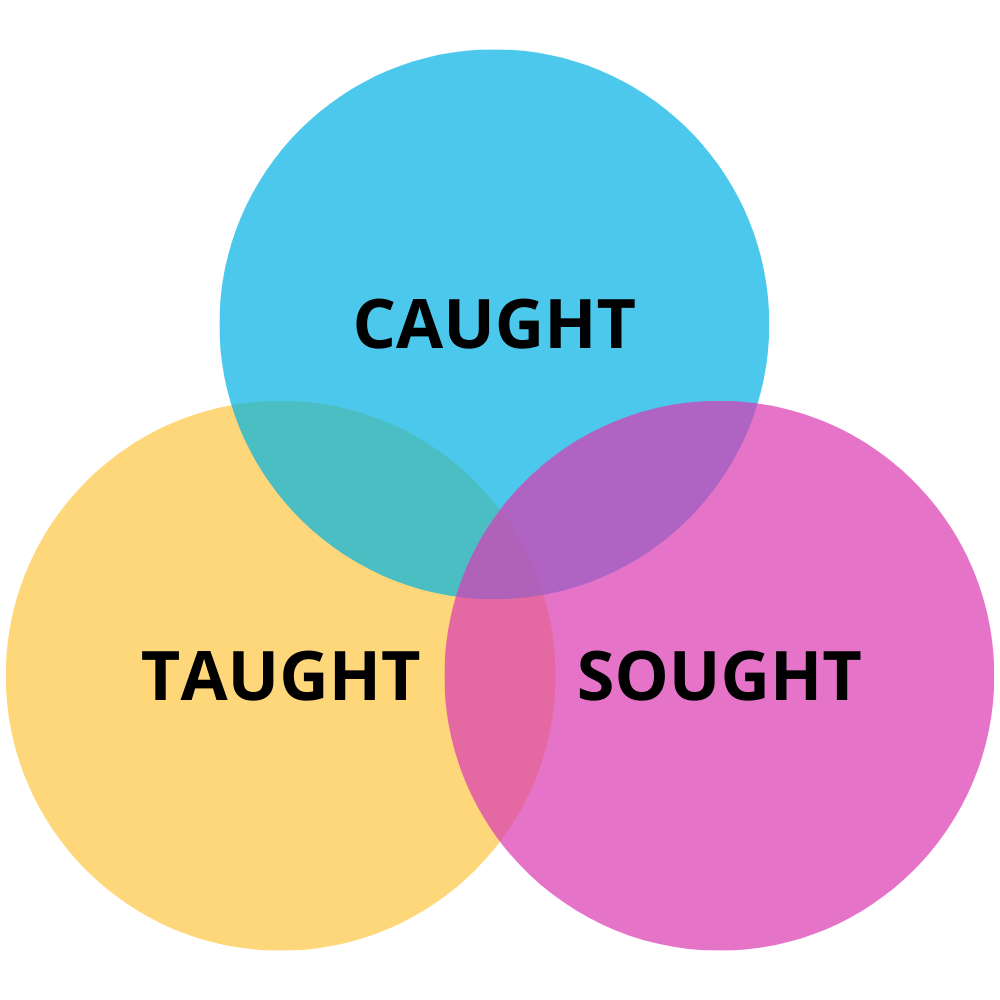
Character is taught, caught and sought.
The best framework we've found for thinking about character education describes it as three things working together: taught directly, through the curriculum and classroom; caught through the culture of a school — how adults behave, how mistakes are handled, what gets celebrated; and sought by young people themselves, as they grow into a sense of who they are and what they stand for.
In our schools, all three matter. We teach it. We model it. And we create the conditions for young people to go looking for it themselves.

Embedded in how we teach, not bolted on.
Character development in our schools isn't a separate timetable slot. It's in how a teacher responds when a student gets something wrong. It's in what a school chooses to put on its walls. It's in the moment a history lesson becomes a conversation about justice, or a science lesson becomes a question about responsibility.
Across our secondary schools we've been developing approaches to embedding this deliberately in curriculum — asking not just what we teach, but what kind of person the way we teach it helps young people become
In the classroom
A question that opens a lesson: not just "what do you think?" but "what do you think, and why does it matter?"

Pupils at Bolton Brow Primary Academy demonstrate their learning by teaching parents and visitors to the school at their Science Day.
In the CULTURE
How a school responds when things go wrong — publicly, consistently, with care — shapes character more than any lesson plan.
In the COMMUNITY
When students clear litter from a park and strangers stop to thank them, something shifts. They see themselves differently
“A quote from a teacher at any of the secondary schools about a specific moment where curriculum and character came together — a lesson, a conversation, a decision. ”

Pupils at Castle Hill Special School enjoy making music with professional musicians at their annual ‘Castle Fest’.
Brooksbank alumnus and West End actor Tom Watson delivers a materclass with performing arts students from across our high schools.
Every passion is worth pursuing. Every experience is worth having.
We don't want schools that only celebrate students who reach the top. We want schools where a young person can try pond dipping for the first time, perform on a stage, visit a mosque, or serve a meal to someone who needs it — and find that it changes something in them, even if they never do it again.
At Meltham Moor Primary, 'More at Meltham Moor' is a structured programme of experiences running right through the school — designed to make sure every child has a broad, rich set of encounters with the world, regardless of what their family can provide. Bolton Brow Primary has a similar 'charter' — a commitment that every child will experience a defined range of things before they leave. In both schools, many pupils come from disadvantaged backgrounds. The programme isn't a nice extra. It's essential.
“I don’t think being good at things is the point of doing them. I think you’ve got all these wonderful experiences with different skills, and that all teaches you things and makes you an interesting person, no matter how well you do them.”
And we also celebrate the students who are exceptional. Our schools have produced actors, martial arts champions, national medal winners and musicians of real distinction. Those young people are celebrated — because excellence is worth celebrating. The point isn't that winning doesn't matter. The point is that it isn't the only thing that does.